How to Get Restaurant-Style Cheese Pizza in Your Oven
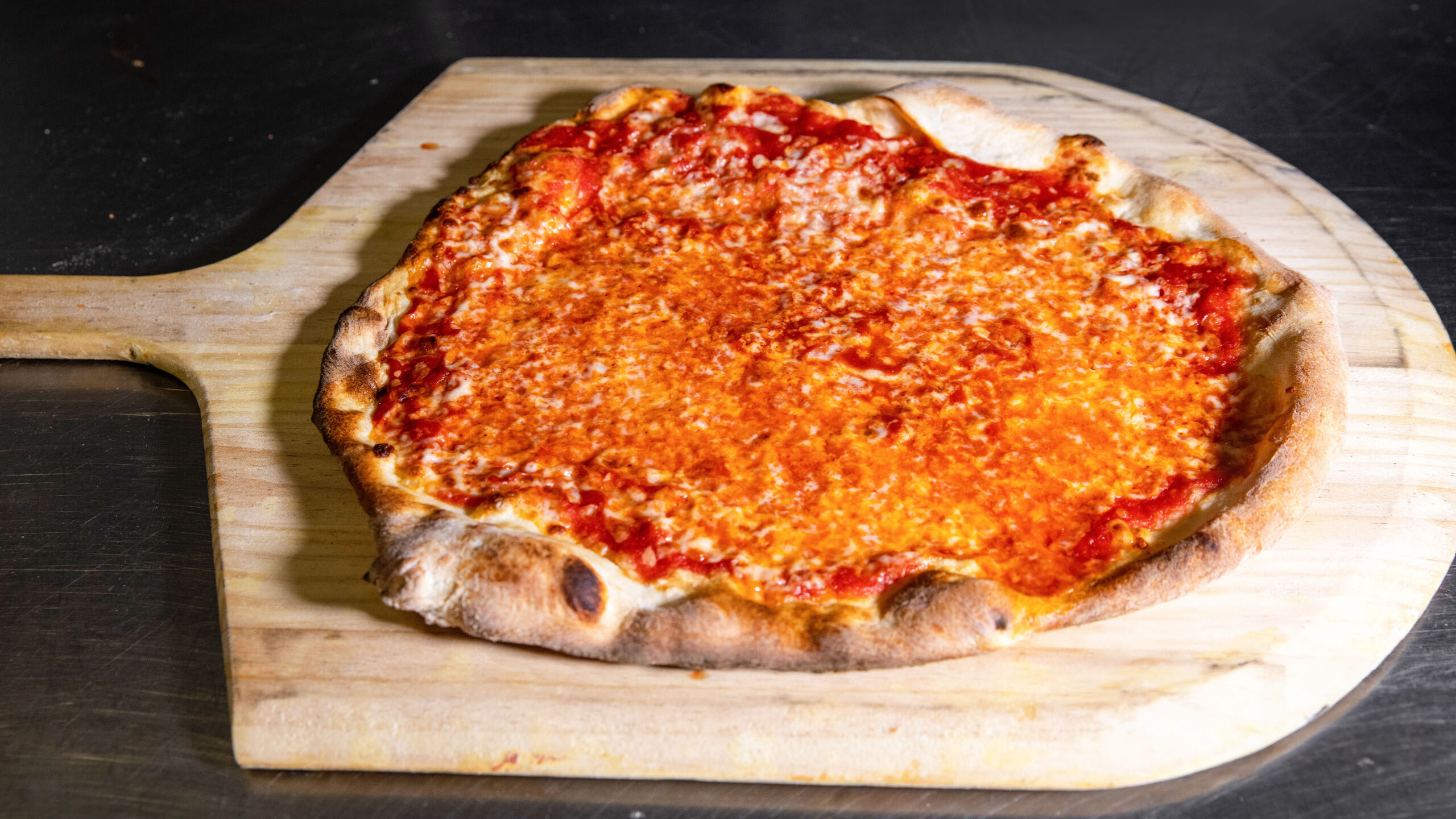
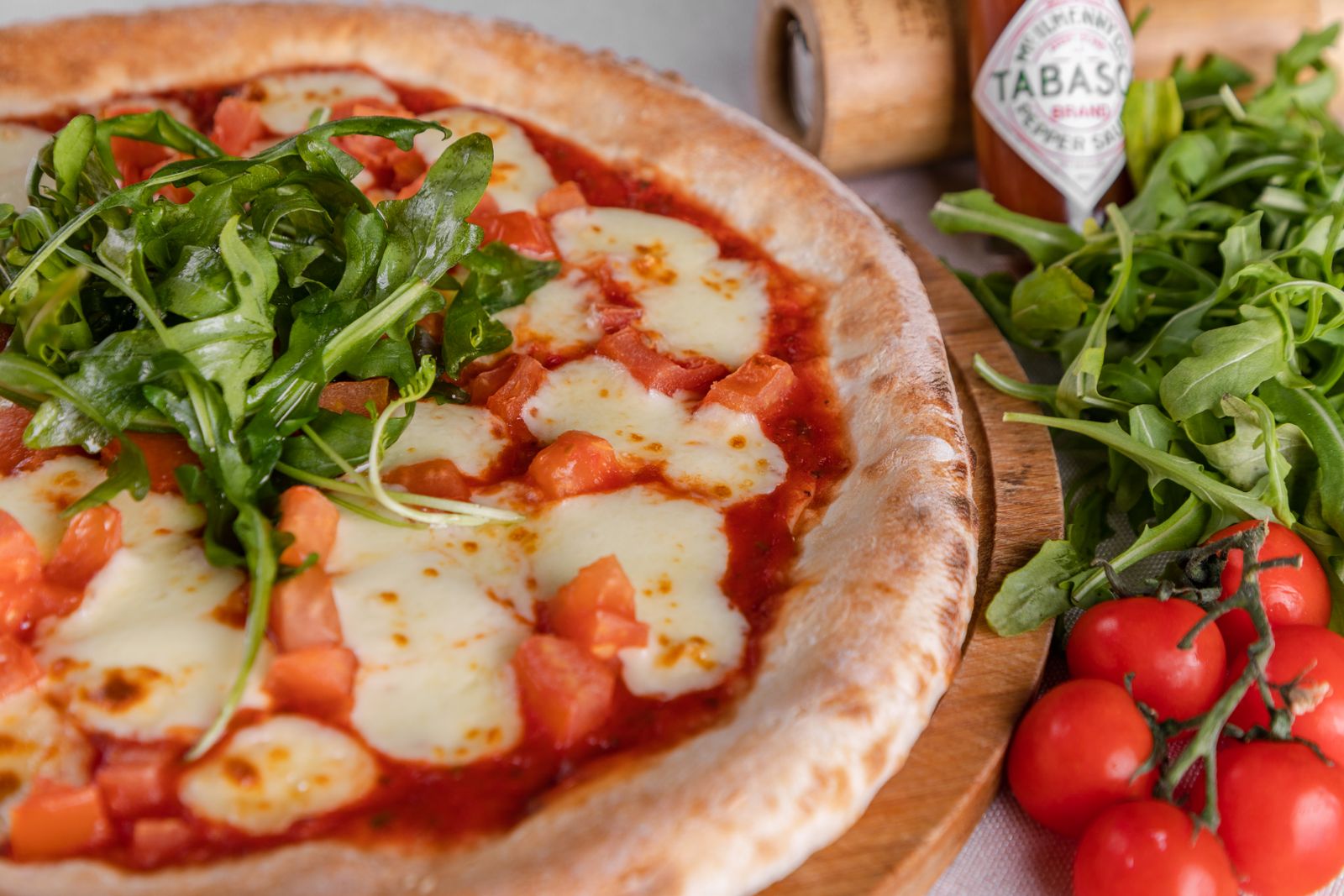
The gap between a decent homemade pie and true restaurant-style Cheese Pizza usually comes down to heat, timing, and restraint. Most home ovens can make very good pizza. Some can make excellent pizza. The problem is not that the oven is incapable. It is that the cook often asks it to do the wrong job in the wrong way.
Restaurant pizza has a few qualities people recognize right away, even if they do not have the vocabulary for them. The crust is blistered in spots and deeply browned without turning dry. The bottom has structure, so a slice lifts cleanly instead of drooping like wet cardboard. The cheese melts into a cohesive layer rather than breaking into oily patches. The sauce tastes bright, not boiled to death. And most important, everything lands at the same moment: crisp crust, molten cheese, finished bake.
That harmony is harder at home because professional pizza ovens run much hotter than domestic ovens, often far hotter. A pizzeria might bake a pie in 90 seconds to 6 minutes depending on the style. Your oven, even a good one, is working with a narrower temperature range and slower recovery. Still, you can close the gap much more than most people think. I have done it in apartments with weak electric ovens, in suburban kitchens with sturdy gas ranges, and in a rental with an oven that ran 25 degrees cool and had a door that leaked heat. The method changes a little, but the principles do not.
Start by defining the style you actually want
“Restaurant-style” is not one thing. A coal-fired New York slice shop, a neighborhood Italian restaurant, and a wood-fired pizzeria all make Cheese Pizza, but the results are different. If you are baking at home, the easiest target is a classic hand-tossed restaurant pie, somewhere between New York and a general American pizzeria style. Think a crust that is thin in the center, puffy around the rim, crisp underneath, and sturdy enough to fold slightly at the tip.
That matters because the dough, the cheese, and the bake strategy should serve the style. Many home cooks chase dramatic leopard spotting or extreme puff because they have seen photos online. Then they overload the dough with sugar or oil, or crank the broiler at the wrong time, and the pizza comes out scorched on top and pale on the bottom. A more grounded goal works better: get strong bottom heat, moderate top heat, balanced toppings, and a dough that can handle a hot, fast bake.
The oven is your first ingredient
If your oven goes to 500°F or 550°F, use it. Do not be shy about the upper limit. Pizza is one of the few things that rewards maximum preheat. Most disappointing home pizza begins before the dough even hits the oven. People preheat for 10 or 15 minutes, see the display reach temperature, and assume the oven is ready. The air may be hot, but the surfaces inside, especially a stone or steel, are not fully saturated yet.
For restaurant-style Cheese Pizza, your oven needs a real preheat, often 45 minutes to an hour if you are using a baking stone or baking steel. That stored heat is what gives you spring and browning in the first minute or two. Without it, the dough sits there slowly warming while the cheese melts too early, and the whole pie bakes out of sync.
A baking steel usually outperforms a stone in a home kitchen because it transfers heat faster. That gives better bottom browning and stronger oven spring, especially in electric ovens. A stone still works well, particularly for slightly longer bakes, but if you want a pizzeria-like base and you bake pizza regularly, steel is worth it. It is one of the few specialty kitchen purchases that earns its storage space.
Placement also matters. Many people put the stone or steel in the center because that feels neutral. I usually prefer the upper-middle or middle rack for Cheese Pizza, depending on the oven and broiler strength. Too low, and the bottom can darken before the cheese and rim finish. Too high, and the top may race ahead. There is no universal answer, but there is a reliable pattern: if your bottom is pale, go lower or preheat longer. If your top is lagging, go higher or use the broiler strategically.
The dough decides whether the pizza can bake like a pizza
You can improve a store-bought dough, but the best restaurant-style results come from a dough formulated for high-heat baking. The main mistake at home is making dough too wet for the oven setup or too enriched for the style. A dough that works beautifully in a 900°F wood-fired oven can be sticky and frustrating at 500°F in a home oven. On the other end, a dough with too much oil or sugar can brown too quickly before the interior structure sets.
For a classic Cheese Pizza in a home oven, a moderate hydration dough usually performs best, often in the range of roughly 60 to 68 percent hydration. Lower than that can be easier to shape but may bake up dense. Higher than that can produce beautiful openness, but only if your handling is confident and your oven setup is strong enough to support it.
Flour choice matters, but not in a snobbish way. Bread flour often gives the best balance of chew and strength for home pizza. All-purpose flour can work well, especially for thinner pies, but it tends to produce a slightly softer structure unless the protein content is high. Many restaurant doughs use high-gluten flour, but that can be a bit much for some home ovens and can fight you if your fermentation is not dialed in.
The other part that separates restaurant pizza from random homemade pizza is fermentation. A cold rise in the refrigerator for 24 to 72 hours improves flavor, extensibility, and browning. It does not have to be complicated. Time does a lot of the heavy lifting. Fresh same-day dough can still make a good pie, but it rarely develops that subtle depth and supple handling that people associate with better pizza.
If you have ever shaped dough and watched it snap back like a rubber band, that is often a fermentation or resting issue, not a personal failure. Letting dough warm up after refrigeration, usually one to two hours depending on room temperature, makes shaping far easier. Cold dough fights. Properly tempered dough cooperates.
What the cheese should actually do
Cheese is where a lot of home pizzas lose the plot. A good Cheese Pizza is not just pizza with a lot of cheese. It is pizza with the right cheese in the right amount.
Low-moisture mozzarella is the workhorse for restaurant-style results because it melts consistently, browns attractively, and releases less water than fresh mozzarella. Whole milk low-moisture mozzarella usually gives a richer melt and better coverage than part-skim, though part-skim can brown a touch faster and feel slightly lighter. Fresh mozzarella is delicious, but on a classic restaurant-style Cheese Pizza it often sheds too much moisture unless you drain and dry it carefully. That can leave the center wet and delay crust setting.
Pre-shredded cheese is convenient, but it often contains anti-caking agents that interfere with a smooth melt. It is not catastrophic, but hand-shredded or diced cheese generally performs better. In a commercial kitchen, cheese is often cut in a way that promotes even coverage and predictable melt. That is a small detail with big impact.
The amount matters more than most recipes admit. Home cooks tend to over-cheese because an under-cheesed pizza looks sparse before baking. Then the pie emerges heavy, greasy, and strangely flat. A lighter hand gives the cheese room to bubble and brown while preserving the structure of the crust. On a 12-inch pizza, something in the neighborhood of 4 to 6 ounces is often plenty, depending on the style and how much sauce you use.
A little provolone or a dusting of Parmesan can deepen flavor, but moderation wins here too. You are building a Cheese Pizza, not burying it.
Sauce should support, not smother
Good pizza sauce is usually simpler than pasta sauce. That catches people off guard. They simmer it, add sugar, garlic powder, onion powder, oregano, basil, and half the spice rack, then wonder why the pizza tastes heavy.
For a restaurant-style Cheese Pizza, a bright uncooked or barely seasoned tomato sauce often works best in the home oven. Crushed tomatoes, salt, maybe a touch of olive oil, maybe a pinch of oregano. That is enough in many cases. The sauce should wake up in the oven, not arrive overworked. Since the pizza bakes fast, the tomato keeps some freshness, which balances the richness of the cheese.
The bigger issue is quantity. Too much sauce makes the center soggy. Too little makes the pizza taste dry and one-note. You want a thin, even layer that leaves a narrow border near the rim. If sauce pools in the center before the cheese goes on, that is a warning sign.
The small tools that make the biggest difference
A few tools make the process much more repeatable:
- Baking steel or pizza stone
- Pizza peel, wooden for launching or metal for turning
- Bench scraper for dividing and handling dough
- Digital scale for dough and cheese
- Infrared thermometer if you want precision on surface heat
You do not need all of these on day one. If I had to pick only one, it would be the steel or stone. If I could pick two, I would add the scale. Pizza is forgiving in spirit but not in proportion. A scale removes a lot of mystery.
Shaping without deflating the life out of the dough
A restaurant pie has a defined rim because the dough is stretched with intention, not rolled flat with a pin. Rolling pins squeeze out gas and give a uniform thickness that works against a lively crust. For Cheese Pizza, press the dough disk gently from the center outward, leaving a border around the edge. Then lift and stretch, rotating as you go, until you hit your target size.
If the dough resists, let it rest for 10 to 15 minutes and try again. Forcing it only tears gluten and makes shaping harder. One of the more common kitchen frustrations is thinking dough should obey instantly. Good dough often needs a short pause.
Flour selection during shaping matters too. Too much bench flour burns on the steel and leaves a bitter taste underneath the crust. Semolina or a 50-50 mix of flour and fine semolina on the peel can help with launch, but again, use a light hand. You want the pizza to slide, not sit on a sandy layer.
Topping discipline is not optional
The beauty of Cheese Pizza is that it exposes every imbalance. There are no pepperoni cups or roasted vegetables to distract from a weak bake. If the cheese is oily, you notice. If the sauce is flat, you notice. If the crust lacks character, the whole pie feels dull.
That is Cheese Pizza why topping discipline matters. A restrained amount of sauce, a measured layer of cheese, and maybe a small finishing touch after baking, such as grated Parmesan, olive oil, or basil, are enough. Restaurant pies feel polished because each component has room Cheese Pizza to do its job. They do not feel crowded.
One of the best tests is visual. Before the pizza goes into the oven, you should still see the logic of the pie. Distinct rim. Thin sauce layer. Even cheese distribution. No mound in the center. If it looks heavy raw, it will usually bake heavy.
The bake, where most of the magic happens
This is the part where your setup and judgment matter more than strict recipe loyalty. Every oven behaves differently. Some blast top heat. Some run cool after the door opens. Some have hot back corners that can char one side before the other. You learn yours by paying attention to one pizza at a time.
Here is a reliable sequence for many home ovens:
- Preheat the oven with the steel or stone for at least 45 minutes at its highest setting.
- Launch the pizza onto the hot surface and bake until the crust sets and begins to color, usually 4 to 6 minutes.
- Rotate the pizza if your oven browns unevenly.
- If the top needs more color, switch on the broiler for 30 to 90 seconds, watching closely.
- Remove when the rim is browned, the cheese is fully melted with some spotting, and the underside is crisp.
That broiler finish is one of the most useful home-oven tricks. It mimics the stronger top heat of a restaurant oven, but it demands attention. The line between appetizing cheese blisters and scorched dairy is short. Stay at the oven. Do not walk away.
I have found that gas ovens often need a bit more help on top, while some electric ovens with exposed upper elements can brown aggressively once the broiler is engaged. If your cheese browns too soon but the bottom is pale, your steel may be too high or not fully preheated. If the bottom burns while the top stays blond, raise the baking surface or shorten the initial bake before broiling.
Why the bottom crust is the hardest part at home
When people say their homemade pizza does not taste like restaurant pizza, they are often describing the bottom crust without realizing it. The underside carries toasted flour flavor, structural crispness, and a subtle char that gives the slice backbone. In a home oven, the bottom is usually the first casualty.
This is where steel changes the game. Its thermal mass and conductivity give the dough a much stronger first hit of heat than a regular sheet pan or even many stones. A preheated cast-iron pan can also work, especially for personal-size pies, though it tends to favor a slightly different style and can produce a more fried edge if you oil it.
Another overlooked factor is the dough ball size relative to pizza diameter. If you stretch a small dough ball too far, the center gets thin and can dry out before it crisps properly. If you leave it too thick for the bake time your oven can manage, the center stays bready. Matching dough weight to size is one of those quiet restaurant habits that yields better consistency. For a 12-inch Cheese Pizza, many dough balls fall in the range of 240 to 300 grams depending on style. Thinner New York-leaning pies sit toward the lower end, fuller restaurant pies toward the upper.
Common problems and what they usually mean
A soggy center usually points to one of four causes: too much sauce, too much cheese, insufficient preheat, or dough that was not stretched evenly. Sometimes it is fresh mozzarella that was not dried well. Sometimes it is all of the above.
If the pizza sticks to the peel, the issue is usually time or moisture. Once sauced, dough should not sit on the peel for long. Launch promptly. A quick shake before opening the oven tells you whether it still moves. If not, lift the sticky spot and dust a little flour underneath. Better to catch it then than to fold the pizza into itself mid-launch, which every pizza maker does at least once and never enjoys.
If the crust tastes bland, the problem is often under-fermentation or under-salting the dough. Flour, water, yeast, and salt are simple ingredients, but the dough still needs enough time to develop flavor. A proper cold rise can make a basic Cheese Pizza taste dramatically more complete.
If the cheese releases oil and separates, it may be low-quality mozzarella, excessive bake time, or simply too much cheese. Overbaking drives fat out. So does piling it on thick. Restaurant pies can look generously topped, but the balance is more exact than it appears.
A note on store-bought shortcuts
There is no shame in using good store-bought dough, especially if your goal is to improve technique first. In fact, I often suggest that people learn the bake with purchased dough before they start troubleshooting fermentation, hydration, and yeast performance all at once. A local pizzeria will sometimes sell dough balls that are far better than supermarket versions, and those can be an excellent training tool.
What matters is handling it properly. Let it warm up. Shape gently. Do not drown it in flour. Do not overtop it. A strong dough treated carelessly still gives a mediocre result. An average dough treated well can surprise you.
Jarred pizza sauce can also work if it is clean and not overly sweet. Still, if it tastes like pasta sauce, it will probably bake like pasta sauce, heavy and cooked-down. A quick blend of canned tomatoes and salt often wins.
Finishing and serving like a pro
The moment after baking matters more than people think. A pizza straight from the oven is structurally unstable for a brief minute. Steam is still moving through the crust, cheese is still settling, and the sauce is dangerously hot. Letting the pie rest for 60 to 90 seconds before slicing often improves the texture of the first slice. Not five minutes, because then the cheese starts to tighten and the crust loses some edge crispness. Just enough time to stabilize.
A final shower of finely grated Parmesan can sharpen the flavor of a Cheese Pizza without making it salty if you use a light touch. A thread of olive oil can add sheen and aroma, but too much makes the surface greasy. Fresh basil is lovely, though on a pure restaurant-style cheese pie it is optional, not mandatory.
Slice size changes perception too. Larger triangular slices emphasize foldability and crust structure. Smaller cuts make a pizza feel more casual and can hide a softer center. Restaurants choose slice patterns for practical reasons, and those choices subtly shape the eating experience.
Getting consistent results instead of one lucky pizza
The first great homemade pizza often happens by accident. The second and third are where skill begins. If you want regular restaurant-style results, keep the variables under control. Use the same dough formula a few times in a row. Weigh the sauce and cheese. Bake at the same temperature. Note rack position. Change one thing at a time.
That sounds methodical, but it is really a way to build intuition. After a few rounds, you will know whether your oven prefers the steel on the middle rack or one notch above. You will know whether 5 ounces of cheese gives better melt than 6. You will know whether your dough is happiest after a 48-hour cold rise rather than 24.
That is how pizza makers improve, not by chasing novelty but by observing detail. Restaurant-style Cheese Pizza is a game of margins. A little less topping, a little more preheat, a little smarter use of the broiler. Those small decisions stack up fast.
Once you get them working together, your oven stops feeling like a limitation. It becomes a tool you know how to push, and that is when homemade Cheese Pizza starts to taste less like a compromise and more like the real thing.
Brooklyn Pizza
1647 Arapahoe Ave
Boulder, CO 80302
+1 720-328-2324
FAQ About Cheese Pizza
What type of cheese is used on a cheese pizza in Boulder, CO?
The cheese varies by pizzeria. Brooklyn Pizza uses whole-milk mozzarella made in-house on its standard pies and offers a plant-based cheese option for vegan pizza. Ask the shop directly about ingredients if you have a dietary restriction.
How many slices are in a large pizza in Boulder, CO?
Slice count depends on how the shop cuts the pie. Brooklyn Pizza lists a 16-inch large pizza. If you are ordering for a group, call to confirm the number of slices or ask whether a smaller cut is available.
What is New York style pizza in Boulder, CO?
New York-style pizza usually has a thin crust and wide slices that can be folded. A classic cheese slice pairs tomato sauce with mozzarella. Brooklyn Pizza serves New York-style pizza by the slice and as whole pies.